
From the mountain chains of the north and west to the Gobi Desert and the rolling steppe of the south and east, the history of human occupation on the Mongolian Plateau is inseparable from long-term interactions with animals and dynamic environments. These sustained relationships fostered the development of complex cultural systems, most notably horsemanship and nomadic pastoralism, for which Mongolia is widely known.
Among the many species that have shaped human lifeways in this region, wild cattle (aurochs) and equids are particularly significant. These animals were hunted continuously from the Pleistocene through the adoption of domesticates. Notably, Mongolia and East Asia more broadly represent an outlier to the widespread decline of large mammals during the Pleistocene–Holocene transition. This pattern suggests the presence of adaptive ecological or cultural strategies that enabled large herd animals, such as wild cattle and equids, to persist and provide sustained hunting opportunities over long timescales.
My doctoral research investigates regional adaptations of animals in eastern Mongolia over the past 50,000 years through zooarchaeological and stable isotope analyses of faunal remains. This research examines the biogeography of wild cattle and equids, with particular attention to dietary patterns, ecological niches, and demographic structure. By situating these data within broader environmental and cultural contexts, the project seeks to understand the long-term persistence of large mammals in this region and to identify the circumstances that ultimately contributed to their decline and subsequent extinction.
In addition, emerging evidence suggests that preagricultural societies in Mongolia may have engaged in forms of wild cattle management during the Early Neolithic. My research incorporates high-resolution stable isotope data to explore these early management practices in new ways. I am also carrying out methodological development in stable isotope analysis aimed at increasing the resolution with which dietary and environmental histories of equids can be reconstructed through the application of multiple isotopic analytes.
Human-Animal-Environment Interactions on the Mongolian Pleateau
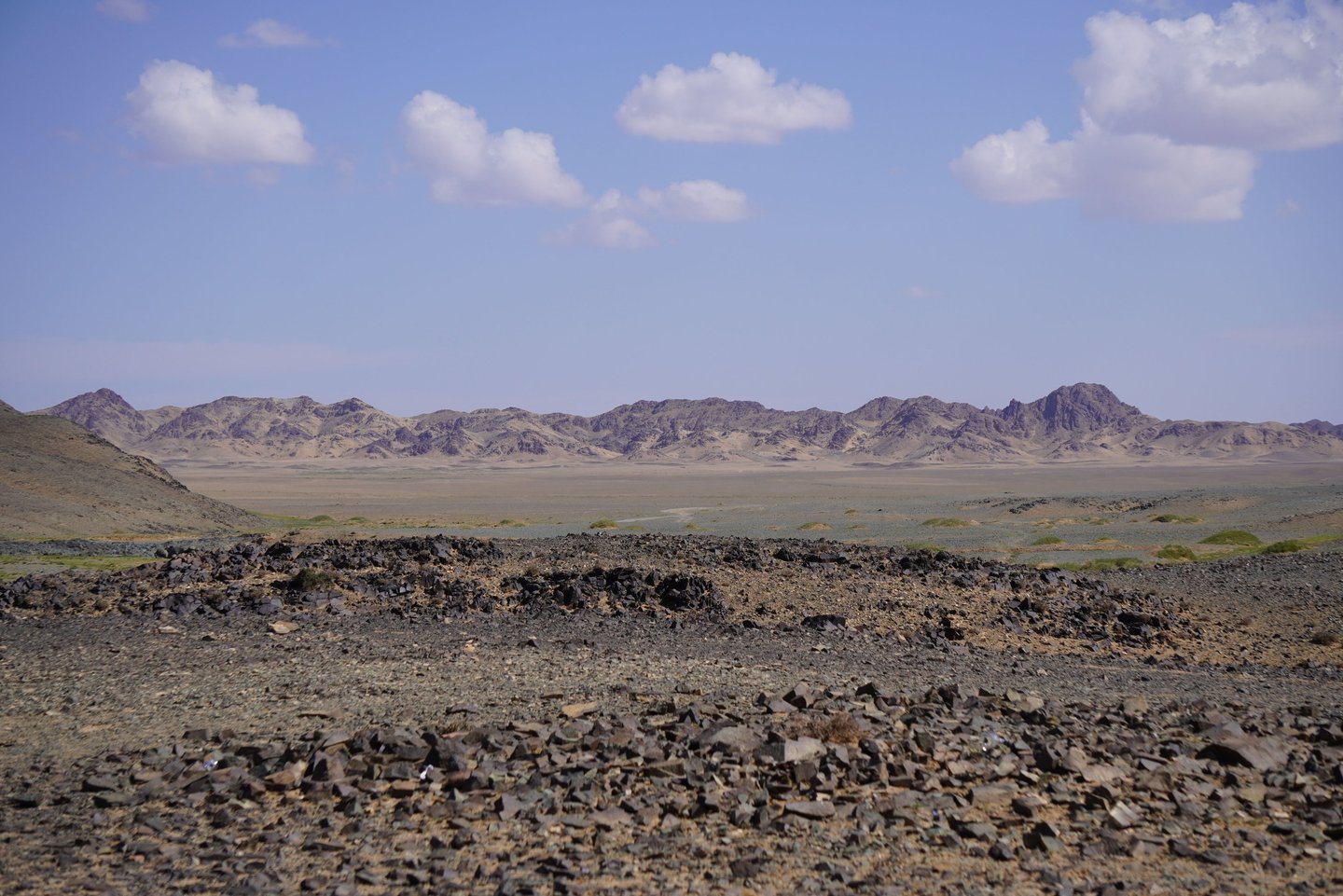
The Great Gobi Desert 2024
Domestic Animals in West African History:
Introduction, Spread, and Regional Adaptation
My research in West Africa aims to investigate the timing and processes associated with the adoption of major domesticates across eastern West Africa. This work examines how the movement of pastoralist populations and the introduction of domesticates including cattle, sheep, goats, and horses reshaped early communities and human–animal–environment relationships across this landscape. I am also interested in how animals responded morphologically to early management practices and to climatic variability in this region.
My current research focuses on investigating the origins of horse culture in West Africa by leveraging the analytical potential of collagen type I through stable isotope analysis, Zooarchaeology by Mass Spectrometry (ZooMS), AMS radiocarbon dating, as well as ancient DNA analysis. Existing evidence suggests that the archaeological record, particularly in Nigeria, holds significant untapped potential for understanding the early development and spread of horse culture in eastern West Africa. This research is currently in its formative stages, with multiple pilot studies underway.
In recent years, I have collaborated with colleagues and mentors on the analysis of faunal assemblages from archaeological sites across Nigeria. This work investigates hunting strategies, animal management practices, social differentiation, and patterns of intra- and inter-regional animal movement over the past 3,000 years. I am also engaged in ongoing collaborative research with international partners. In addition, I welcome opportunities to mentor students with shared research interests and encourage prospective collaborators or students to contact me using the information provided on this website.
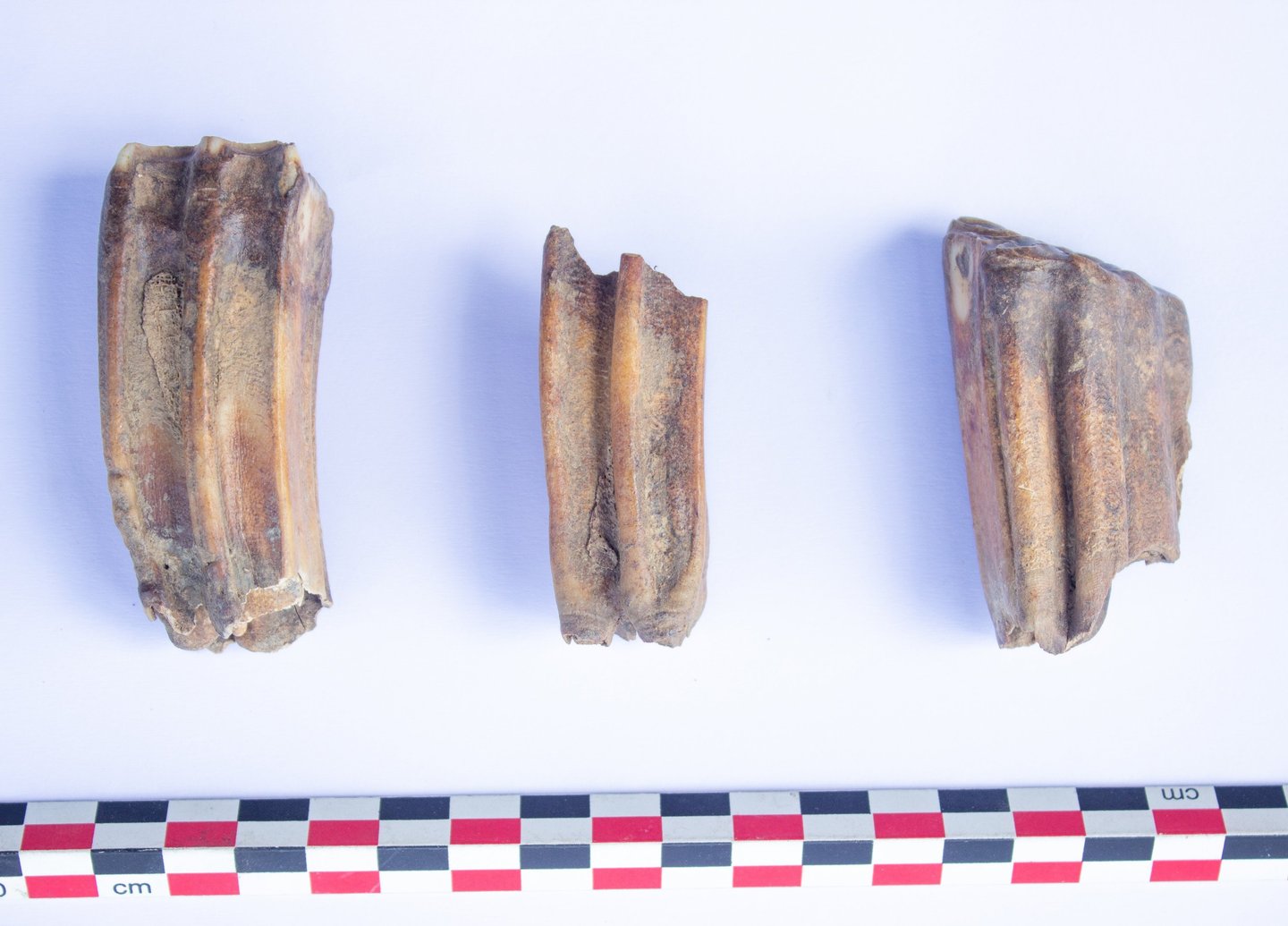
Horse teeth from Nigeria
(Akogun 2021; Undergraduate Thesis, University of Ibadan)
moses.akogun@mail.utoronto.ca
Copyright: Moses Akogun